 Visit Lisbon Guide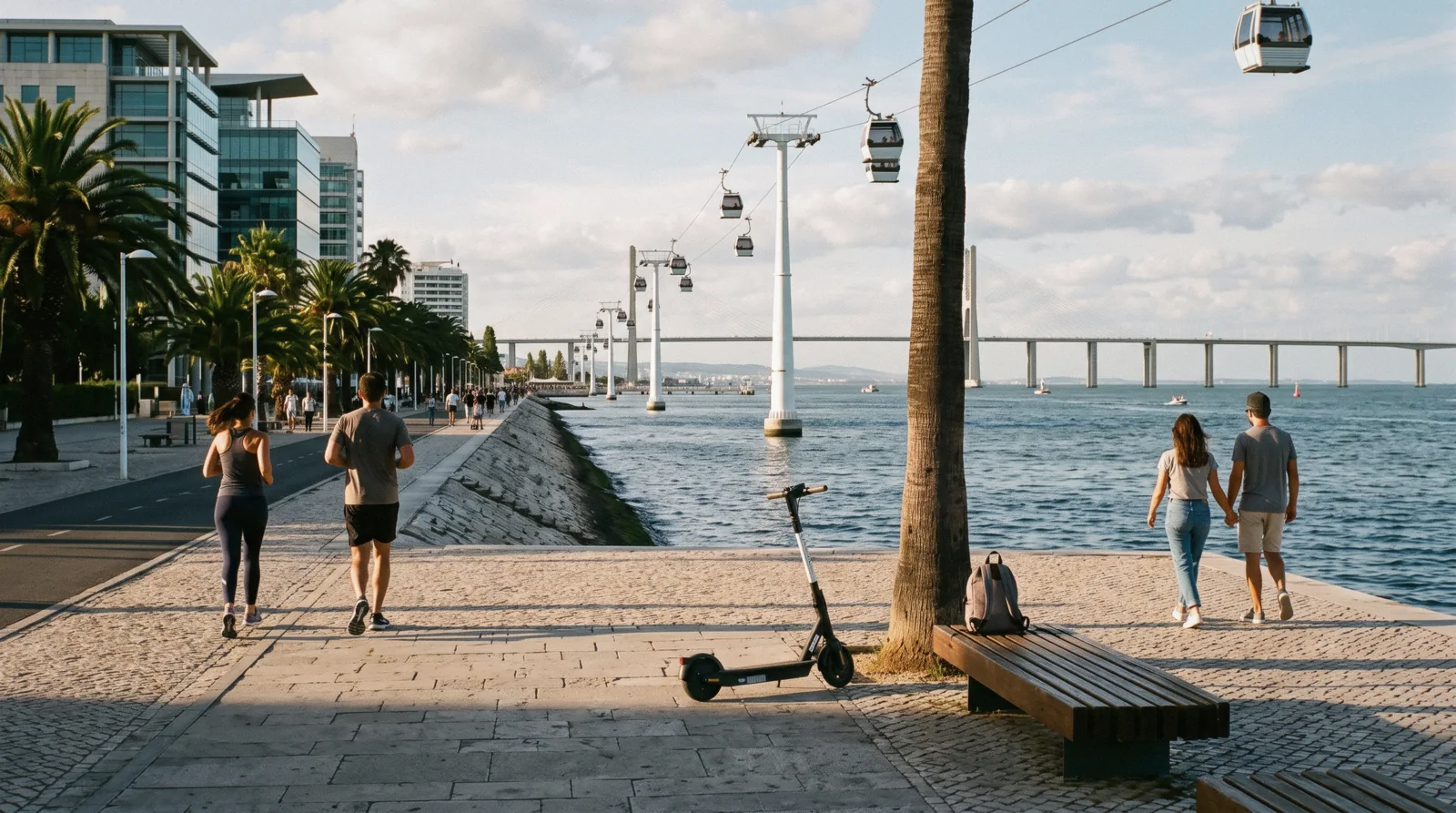
Parque das Nações
Parque das Nações is the district Lisbon built for Expo '98 on five kilometres of former docks and refineries at the north-east edge of the city, and kept: Santiago Calatrava's Oriente station, Álvaro Siza's Portuguese Pavilion with its sagging concrete canopy, the Oceanário, a cable car along the water, the 145-metre Vasco da Gama tower and the 17-kilometre bridge of the same name. It is flat, modern and unlike anything in Alfama, which is why some visitors skip it and why families and rainy-day planners should not. This page covers what is here with the official hours and prices we could verify, the cable car, where to eat, how the district connects to the airport and the centre, and what a room here costs. The other districts are compared on the Lisbon neighbourhoods page, and the Lisbon city guide homepage has the whole city.
Quick answer What it is, what to book, how long, how to get there — in three lines
Parque das Nações is the 1998 Expo site turned riverside district, ten minutes from the airport and twenty-five from Baixa on the red metro line. It takes a half-day: the Oceanário (daily 10:00–20:00, €25–29 by entry slot), the cable car along the river, and the promenade to the Vasco da Gama bridge. Everything is open every day, including Monday.
Key takeaways
- Book only the Oceanário: the 16:00 slot is the cheapest at €25 (about $29) and the reseller ticket cancels free. The cable car round trip at €10 (about $12) is a walk-up ride; the platform card is the only price we can print, because the operator's site was unreadable on 29 August 2026
- Come by red line to Oriente — a single is €1.90 (about $2.20) — and walk out through the Vasco da Gama centre to the river. From the airport it is two stops, which makes this the district for a last morning or a first afternoon with a late check-in
- If you want old Lisbon, this is not it; the Alfama and Baixa pages are. What this district has that they do not is space, shade, level ground, a playground every 300 metres and the only free-standing aquarium in the city
Every sight in Parque das Nações: hours, price, closed day
Figures read on 29 August 2026 from the venues' own pages — oceanario.pt for the aquarium, metrolisboa.pt for the station, the GetYourGuide listing for the cable car because telecabinelisboa.pt returned an unreadable page — and converted at €1 = $1.17. Where an official page publishes no figure we write 'not stated' rather than repeat a number from a blog.
| Sight | Hours | Adult price | Closed | Book ahead? |
|---|---|---|---|---|
| Oceanário de Lisboa | Daily 10:00–20:00, last entry 19:00 | €29 / €27 / €25 by entry band (about $34 / $32 / $29) | Never; shorter hours 24, 25, 31 December and 1 January | Yes for a morning slot; walk-up fine at 16:00 |
| Telecabine (cable car), riverfront | Not stated on the operator's site | €10 round trip on the platform (about $12); official fare not stated | Not stated; weather closures possible | No — walk up |
| Riverfront promenade and gardens | Always open | Free | Never | No |
| Oriente station (Calatrava) | Metro 06:30–01:00; station open around the clock for trains | Free to walk through | Never | No |
| Pavilhão do Conhecimento (science centre) | Not stated — site unreadable on 29 August 2026 | Not stated | Not stated | No |
| Portuguese Pavilion (Siza canopy) | Exterior always visible | Free | Never | No |
| Vasco da Gama tower and bridge view | Exterior always visible; tower is a hotel | Free from the promenade | Never | No |
| Centro Vasco da Gama (shopping) | Not stated on an official page we could read | Free | Not stated | No |
The cable car's operator publishes its fares on telecabinelisboa.pt; the page served no readable text to our fetch. We print the platform price for the round trip and nothing else.
Tickets for the Expo district
Every card links to the operator's own page with the live calendar. Prices in euro as listed on 29 August 2026; the Oceanário's own time-tiered grid is on its page.
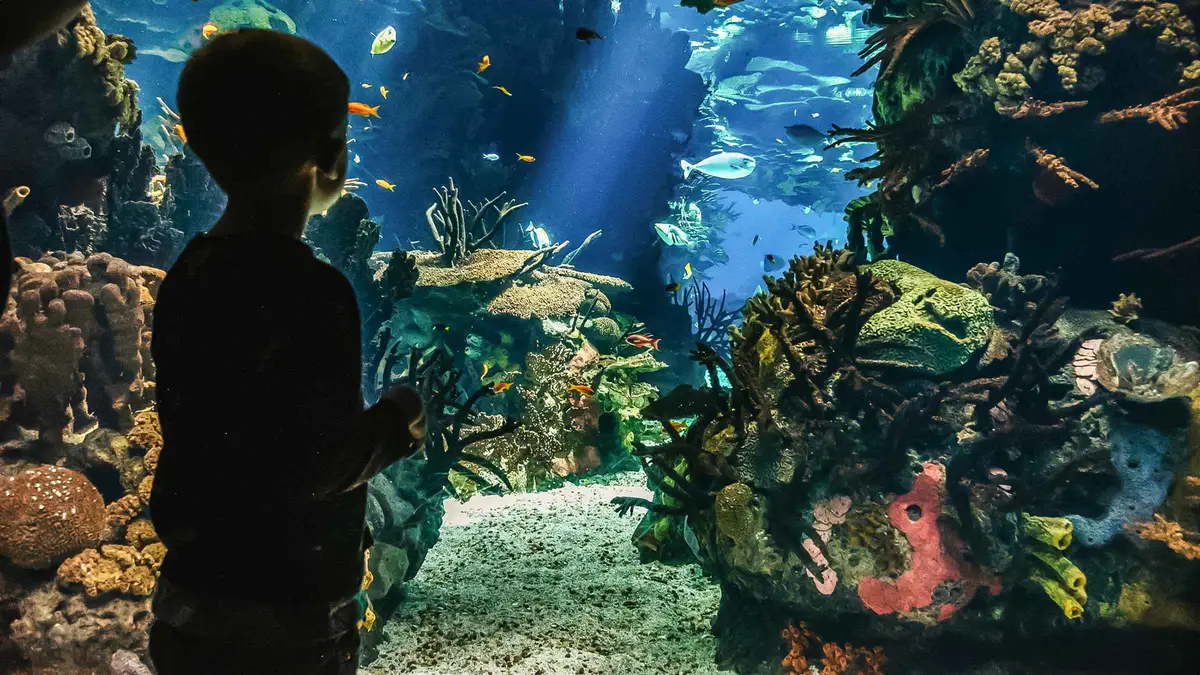 from €25
Lisbon: Oceanário de Lisboa Entrance Ticket
€25 — listed at $28.96; the platform charges in your own currency
Listing details checked 2026-08-29
Pre-booked entry to the Oceanário in Parque das Nações — 8,000-plus animals across four ocean habitats around one central tank. The official site sells the same ticket.
- Discover more than 8,000 sea creatures from 500 different species at Lisbon Oceanarium
- Explore marine life in Europe’s largest aquarium
- See sharks, coral reefs, the only 2 existing sea otters in Europe and much more
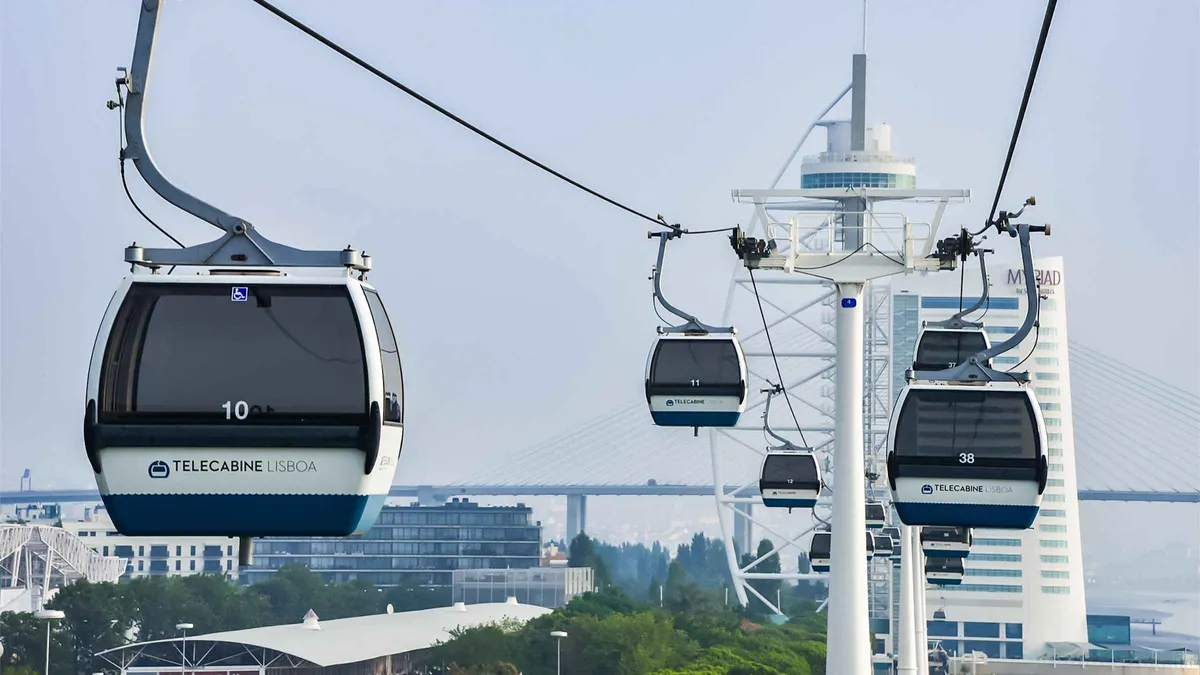 from €10
Lisbon: Nations Park Gondola Lift Cable Car Round Trip
€10 — listed at $11.01; the platform charges in your own currency
Listing details checked 2026-08-29
Twelve-minute round-trip cable car ride along the Parque das Nações riverfront with views of the Oceanário and Vasco da Gama Bridge. A ten-euro add-on to an Oceanário visit…
Check Availability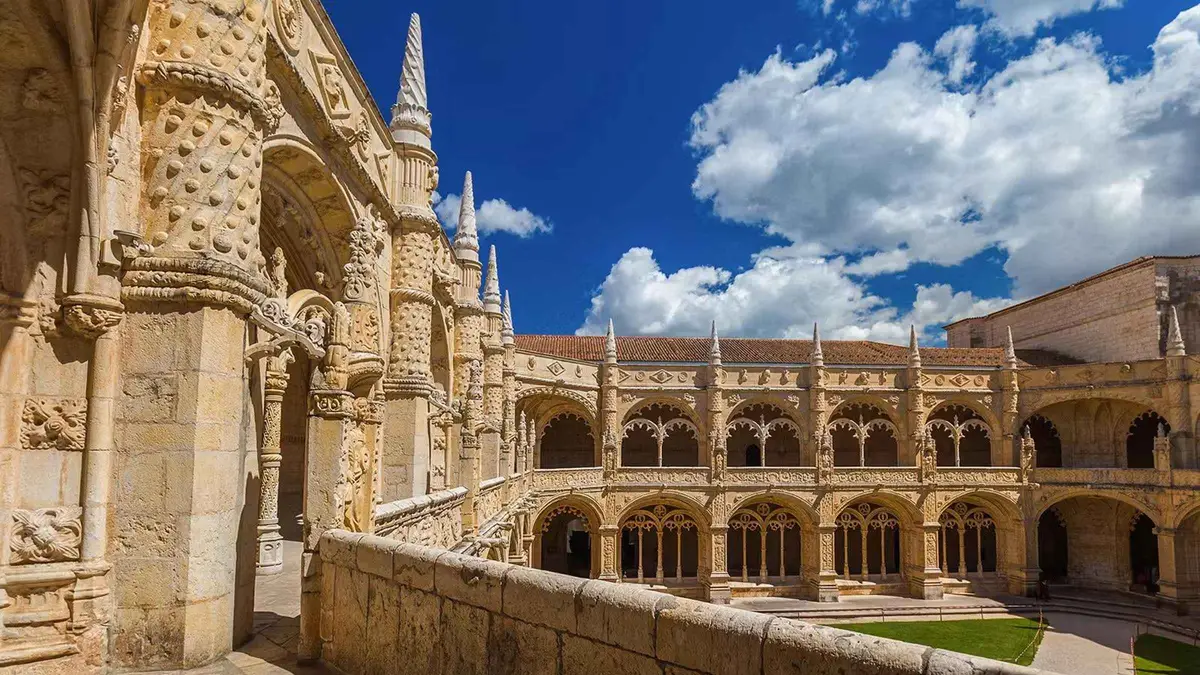 from €31
Lisbon Card: 24, 48, or 72-Hour Pass
€31 — listed at $35.91; the platform charges in your own currency
Listing details checked 2026-08-29
One pass for public transport plus free entry to the attractions on the Lisboa Card list, in 24-, 48- or 72-hour versions. Only pays off if you pack…
- Save time and money and experience the best of Lisbon
- Get free entry to top museums and attractions
- Enjoy free and unlimited access to the public transportation system
- Receive special offers in restaurants, shops, and other venues
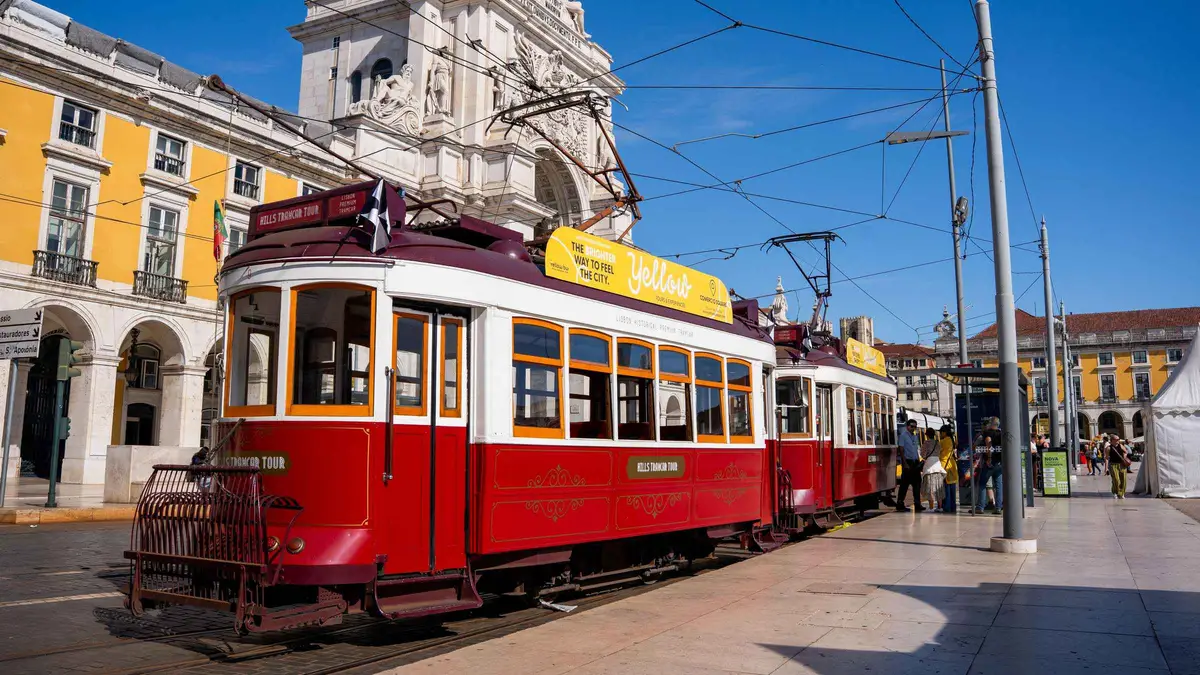 from €47
Lisbon: 72/96-Hour Hop-On Hop-Off Bus, Tram & Boat Ticket
€47 — listed at $49; the platform charges in your own currency
Listing details checked 2026-08-29
Hop-on hop-off pass covering open-top bus, a vintage tram and a Tagus cruise for 72 or 96 hours. Overlaps with the Lisboa Card only on transport, not on…
Check AvailabilityWhat Parque das Nações is: Expo '98 and what was kept
Until the 1990s this was the industrial east of Lisbon — oil tanks, a slaughterhouse, container docks and a sewage works. The 1998 World Exposition, themed on the oceans for the 500th anniversary of Vasco da Gama's voyage to India, was the excuse to clear it.
The Expo and the plan
Expo '98 ran from 22 May to 30 September 1998. Unlike most world's fairs, it was planned from the start as a district rather than a fairground: the pavilions were designed to be reused, the railway and metro were extended to a new interchange, and the bridge across the estuary was opened two months before the gates. After the fair the site took the name Parque das Nações and filled with offices, apartments, a shopping centre, an exhibition complex, a casino and a marina of 600 berths. In November 2012 it became a civil parish of Lisbon in its own right, absorbing land that had belonged to the neighbouring municipality of Loures; the 2021 census counted 22,382 residents.
That history explains the feel. Streets are wide and gridded, the buildings are 1990s and 2000s glass and stone, there is public art everywhere — Bordalo II's giant Iberian lynx made of rubbish, installed for a 2019 youth conference, is the one people photograph — and the whole thing is level. There are no hills, no cobbles and no trams.
The buildings worth looking at
Gare do Oriente is Santiago Calatrava's: a forest of steel-and-glass palm vaults over the train platforms, with the bus station below and the metro beneath that. It is the third-busiest station in Portugal and the reason the district works as a base. Beside it, the Portuguese Pavilion by Álvaro Siza has the canopy every architecture student comes to see — a 70-metre sheet of pre-stressed concrete hung between two porticos like a piece of paper resting on two bricks.
The Oceanário itself, by the American Peter Chermayeff, sits on a pier in the old dock and is meant to look like an aircraft carrier. The former Pavilhão Atlântico, now the Altice Arena, is the country's biggest indoor venue. At the north end the Vasco da Gama tower, 145 metres, is the tallest building in Portugal and since 2012 has a hotel at its foot; the observation deck that opened with the Expo is no longer a public attraction, so the view is from the promenade, not from the top.
The bridge
The Vasco da Gama bridge, opened 29 March 1998, crosses the Tagus estuary for about 17 kilometres including its approaches — the longest bridge in the European Union when it opened. From the promenade north of the cable car it fills the horizon, and at sunset the light comes from behind you and lands on it. There is no pedestrian access; it is a motorway.
The cable car: what it is, what it costs, whether to bother
The Telecabine Lisboa runs along the riverfront between a south station beside the Oceanário and a north station beside the Vasco da Gama tower — about a kilometre, twelve minutes in the air at around thirty metres, with the river on one side and the gardens on the other. Cabins seat eight and run continuously; there is no timetable to plan around.
What it costs: the operator's website, telecabinelisboa.pt, served no readable text when we fetched it on 29 August 2026, so we do not print an official fare. The round-trip ticket on GetYourGuide was listed at €10 (about $12) that day with a 4.4 rating from 1,792 reviews, and the Oceanário sells a combined aquarium-and-cable-car ticket on its own site without printing a separate cable car price on the page we read.
Whether to bother: as a ride, it is short and mild. As transport it is useful, because the walk from the Oceanário to the tower end is twenty minutes on hot paving and the cabin does it in twelve with a view of the bridge you cannot get from the ground. Our advice is to ride it one way north after the aquarium and walk back along the water, or ride the round trip if the children have already walked enough.
The half-day route: station to bridge and back
About four kilometres on foot, all flat; walk minutes are our estimates.
Arrive at Oriente and look up at the vaults before you leave the platform. Cross through the Centro Vasco da Gama — the escalators on the river side put you out onto the Alameda dos Oceanos — and walk down to the water past the Portuguese Pavilion's canopy, about eight minutes. The Oceanário is on its pier ahead; the science centre is beside it. If you have the 16:00 slot, do the north end first: ride the cable car up, walk past the lynx and the gardens to the tower and the bridge view, and come back along the promenade, forty minutes at a stroll. Then the aquarium for two hours. Dinner is on the riverfront or back at Oriente.
With small children reverse it — aquarium at 10:00 when they are fresh, playgrounds and cable car after — and accept the morning price. The gardens between the promenade and the buildings have shaded playgrounds roughly every 300 metres and the water features the district was designed around; the Jardins Garcia de Orta, north of the Oceanário, plant the flora of the former colonies in beds labelled by territory.
- Oriente station vaults — 5 min
- Portuguese Pavilion canopy — on the way, 8 min from the station
- Cable car north — 12 min ride, 2 min from the Oceanário
- Vasco da Gama tower, bridge view, Bordalo II lynx — 20 min
- Promenade back along the river — 20 min
- Oceanário, 16:00 slot — 1 h 30 to 2 h
- Dinner on the Alameda or by the marina
Where to eat: the marina, the Alameda and the food court
We name restaurants on this site only where a citable list or the venue's own site backs them, and for Parque das Nações no such list exists at the time of writing, so this section describes streets rather than tables. The riverfront restaurants stand in a row between the Oceanário and the marina, with terraces on the water and prices to match the view; they are open on Sundays and Mondays when much of the old town is not. The Alameda dos Oceanos, the boulevard one block inland, has the neighbourhood's everyday cafés and the pastelarias where office workers eat lunch for the price of a coffee and a tosta in Baixa.
The Centro Vasco da Gama's top-floor food court is the fallback in rain and the cheapest feed in the district. For the Time Out Market kind of evening, the Time Out Market itself is a red-and-green-line ride away in Cais do Sodré, and the where to eat page has the city's named tables with their sources.
The honest version: who should skip it
A two-day visitor with no children and no rain forecast can leave Parque das Nações out and lose nothing that a Lisbon postcard shows. It has no history older than 1998, no tiles, no fado and no view of the old city. What it has is what the old city lacks: level pavements for wheelchairs and pushchairs, shade, playgrounds, a major aquarium, a modern station that puts the airport ten minutes away, and hotels that cost less than the same stars in Chiado.
It is also the district where a strike day hurts least, because the airport, the trains and the hotels are within a walk of each other. The accessibility page rates it the easiest part of Lisbon to move around, which for some readers is the whole decision.
Getting there and getting around: Oriente does everything
Oriente is the district's front door: red-line metro, CP suburban and long-distance trains including the Alfa Pendular to Porto (€35.70, about $42, in tourist class per the 2026 tariff), Fertagus to the south bank, the national coach station, and city buses. From Baixa the metro takes about twenty-five minutes with one change at São Sebastião or Alameda; a single is €1.90 (about $2.20) on the €0.50 navegante card, €1.72 zapping, €1.92 contactless, and the 24-hour Carris and metro pass is €7.25 (about $8.50), €11.40 with CP trains. From the airport it is two red-line stops, about six minutes, on the same €1.90 single.
Carris bus 744 links Oriente's neighbour Moscavide with the airport and Restauradores, and buses 705, 708, 725, 728, 744, 750, 759, 782 and 794 serve the Oceanário per its own directions. Inside the district everything is walkable and flat; the cable car is the only 'transport' and it is a ride.
| Journey | How | Time (our estimate) | Fare (2026 tariff) |
|---|---|---|---|
| Airport → Oriente | Red line, 2 stops | About 6 min | €1.90 single (about $2.20) |
| Baixa-Chiado → Oriente | Blue line to São Sebastião, red line | About 25 min | €1.90 single |
| Oriente → Belém | Red to Alameda, green to Cais do Sodré, tram 15E | About 55 min | Two singles, or 24 h pass €7.25 |
| Oriente → Sintra | Metro to Rossio (red then green line), CP train to Sintra | About 1 h 15 | Metro single + CP fare; the Lisboa Card covers both |
| Oriente → Porto | Alfa Pendular direct | Not stated by CP on the page we read | €35.70 tourist class (about $42) |
Parque das Nações on the map
The station, the two cable car stations, the Oceanário, the tower and the bridge view, numbered along the half-day route.
Next stop from Parque das Nações
Nothing else is within walking distance; these are the red-line neighbours.
Gulbenkian Museum
The other Monday-open museum, direct on the red line to São Sebastião. The Gulbenkian page has the €16 ticket and the free Sunday afternoon.
15 min by red line + 6 min walkBaixa
Back into the grid for the Santa Justa lift (closed since September 2025) and the cathedral. The Baixa guide has the loop.
25 min by metroLisbon airport
Two stops. The private airport transfer is the alternative with luggage; a taxi from here is the shortest ride in the city.
6 min by red lineStaying in Parque das Nações: what a room costs and who it suits
Rates here are what the booking platform returns for your dates; we print no fixed band because we did not sample the district on a fixed night. What we can say is structural: the hotels are modern chains and business houses built after 1998, the airport is six minutes away, and the old town is twenty-five. Euro first, dollars at 1.17.
Parque das Nações, riverfront and Oriente
- Walk to the Duomo
- 6 minutes by metro from the airport, 25 from Baixa
- Typical double
- Check live rates for your dates
- Suits
- Families with the Oceanário on the list, early flights, conferences at the FIL and Altice Arena, wheelchair users, anyone who wants a modern room and quiet nights
You will take the metro every day you want the old city, and the last red-line train is around 01:00. In return you get level streets, a river walk from the door and rates below a Chiado equivalent. The where to stay page compares it with the six other districts.
See stays in Parque das Nações, riverfront and OrienteRates come from the booking platform for the dates you enter. We take a commission if you book through this link, at no extra cost to you. Lisbon's tourist tax of €4 per person per night, up to seven nights, from age 13, is added by the hotel.
Parque das Nações questions
What is there to do in Parque das Nações?
The Oceanário, the cable car along the river, the Pavilhão do Conhecimento science centre, Calatrava's Oriente station, Siza's Portuguese Pavilion, the Vasco da Gama tower and the bridge view, and a five-kilometre flat riverfront with gardens and playgrounds. The half-day route puts them in order; the aquarium ticket is the only thing to book.
How do I get to Parque das Nações from Lisbon city centre?
Red-line metro to Oriente: from Baixa-Chiado take the blue line to São Sebastião and change, about twenty-five minutes, €1.90 (about $2.20) on a navegante card. From the airport it is two stops. The transport section has the 2026 fares and the getting around page the passes.
How much is the Lisbon cable car in Parque das Nações?
The operator's site was unreadable when we checked on 29 August 2026, so we print no official fare. The round-trip ticket on the platform was €10 (about $12). The ride takes about twelve minutes each way between the Oceanário and the Vasco da Gama tower — the cable car section says when it is worth it.
Is Parque das Nações worth visiting?
Yes with children, on a wet day, or on a Monday when the old city's monuments are shut — everything here is open daily. No if you have two days and want tiles, hills and fado; the honest section draws the line, and the neighbourhoods page compares it with Alfama and Belém.
Is Parque das Nações a good place to stay in Lisbon?
Good for early flights, families and step-free needs, and usually cheaper than Chiado for the same standard; the trade is a metro ride for every old-town evening and a last train around 01:00. The hotel section explains, and the where to stay page sets it against the other districts.
What was Expo 98 and what is left of it?
The world's fair Lisbon held from 22 May to 30 September 1998 on the theme of the oceans. Almost everything was built to stay: the station, the Oceanário, the Portuguese Pavilion, the arena, the tower and the bridge are all in daily use. The history section tells it; the things to do list ranks the survivors.
Parque das Nações on Video
Three films of the Expo district, one neighbourhood guide, one history of the site and one 4K riverside walk, which show the distances between the Oceanário, the cable car and the station.
Lisbon Neighborhood 101 Guide to Parque das Nações | See Why This Place Is Growing in Popularity
A district guide that covers the cost-of-living and family angle this page discusses.
Video: ExpatsEverywhereThe Hidden History Behind Lisbon's Most Modern District: Parque das Nações
The Expo '98 story behind the district, matching the history section above.
Video: POV ToursLisbon, Portugal Walking Tour 4K | Modern District - Parque das Nações #001
A 4K walk along the riverfront from Oriente to the Oceanário, the route in the plan above.
Video: Portugal Up CloseVideos load from YouTube only when you press play. Prices and closures mentioned on camera may predate the 2026 changes printed on this page.
Page last reviewed 2026-08-29. Prices, hours and terms are set by the venue or operator and confirmed at checkout.
We may earn a commission if you book through one of our links, at no extra cost to you. Full affiliate disclosure